Editor's Note: The author of this piece serves as Nashville Conservation Coordinator for A Rocha USA, part of a global family of conservation organizations working together to live out God’s calling to care for creation and equip others to do likewise. Regent College has a long history of friendship and collaboration with A Rocha Canada, whose BC Centre is located about an hour away from our campus. We're glad to share this story from another branch of the A Rocha family.
Oyster Gardening
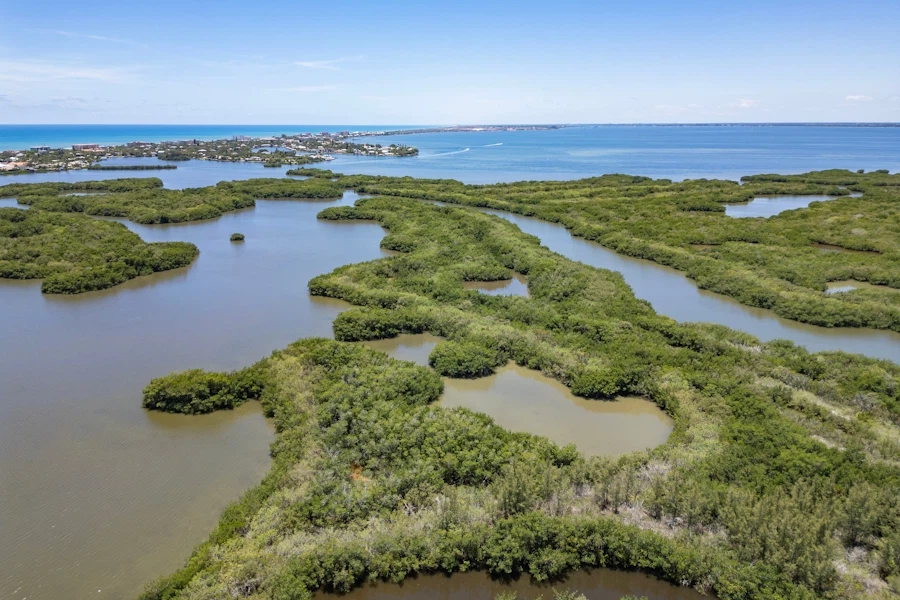
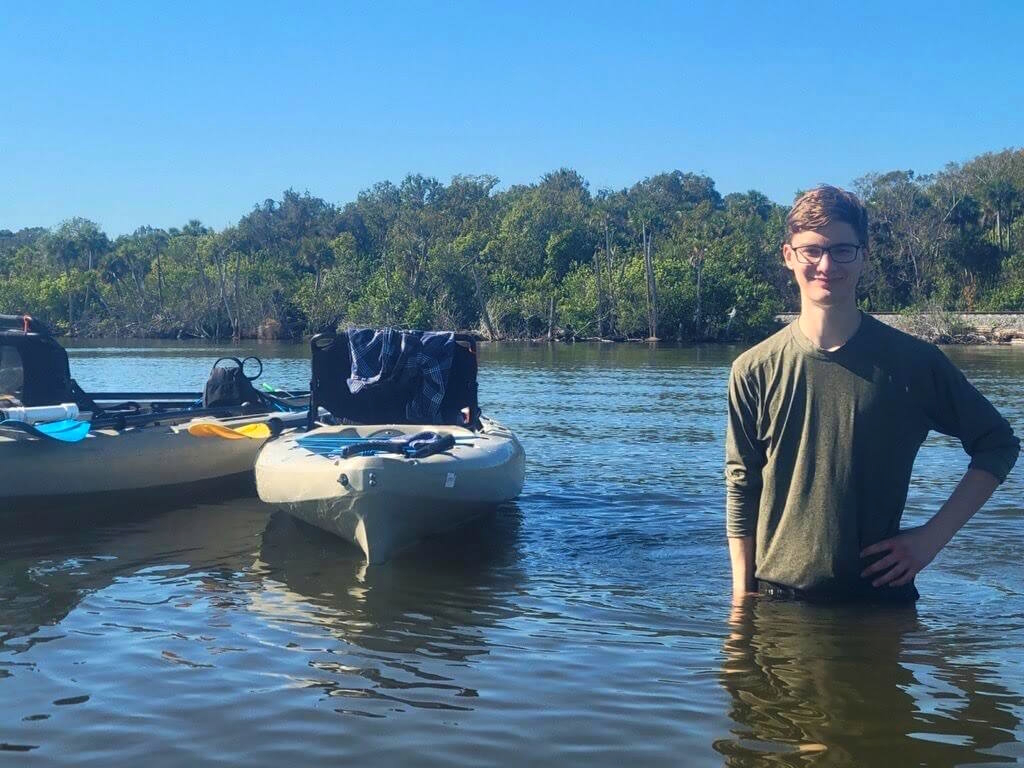
I plunged into the Indian River Lagoon. It was early morning, the sky congealing to blue frost overhead, and I was dressed in a wetsuit and water shoes. Though it was Florida, it was Florida in autumn, so while the air was mild, the water was still frigid from the night’s chill. Despite this, I joined some staff members from one of A Rocha USA’s partners, Restore Our Shores, as they grabbed blue plastic floats filled with oyster shells and towed them through the water.
The shells were all dead: chipped, dented, pockmarked, white as snapped bones, having been gathered from seafood restaurants along the coast of Brevard County. These dining spots had no use for the shells, but Restore Our Shores knew that—even dead—these calcium-rich remains were prime material for building oyster reefs.
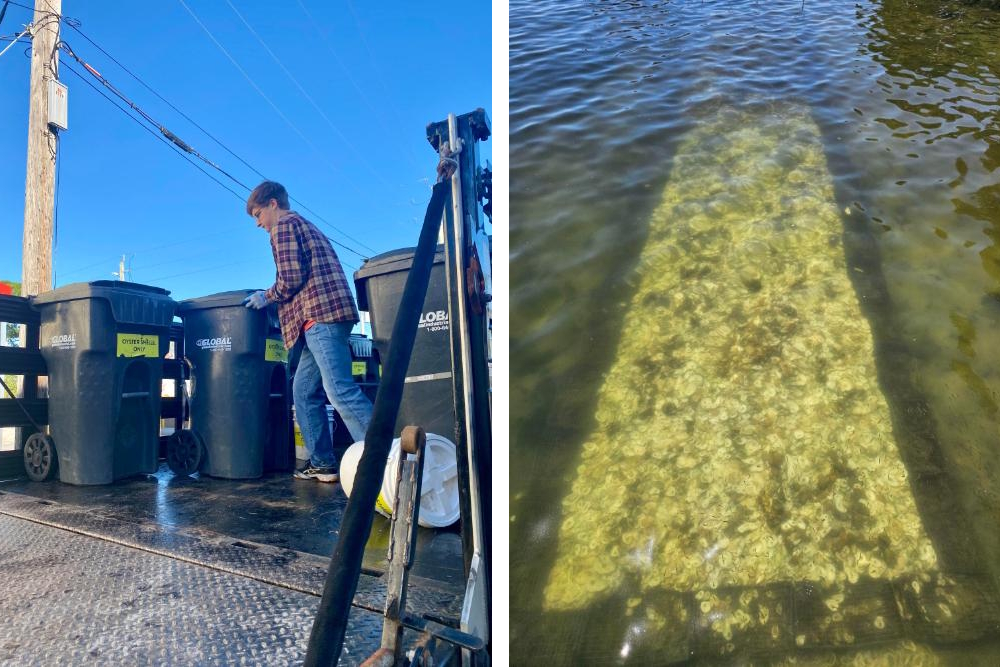
So, step by frigid step, we dragged the floats over to the wire frames that marked the edges of our artificial reefs, then dumped the shells in. Over time, we hoped these seafood graveyards would erupt into gardens of new oysters. The Restore Our Shores staff would later return with water-proof data sheets and snorkels to check for signs of fresh growth.
If my younger self could have seen me plunging into a cold lagoon to toss oysters in a heap, I may have wondered what on earth I was thinking. I’d gone to college for creative writing. I was accustomed to warm nooks where I fashioned tales about other people doing strange and magical things. What possessed me to sign up for a conservation internship with A Rocha USA, then shuttle myself to Florida to deal with oysters and other aquatic creatures?
To such a question, the Restore Our Shores team may have answered that oysters create vital habitat for various species in the Indian River Lagoon while also providing storm protection and water filtration. Restoring their declining numbers is vital to returning life to one of the most biodiverse estuaries in North America while also shielding the coast from sea storms. Surely that’s worth chilling my feet a bit.
My friends at A Rocha USA, though, would have gone even further: these oysters are divinely blessed members of God’s creation (Gen 1:21–22), and sacrificing one’s comfort for the sake of creation is precisely what Jesus did through his incarnation, death, and resurrection. If that’s so, how could I refuse to emulate Christ in this good work?
From Creator to Creature
Christ’s sacrifice for creation is hinted at in his very incarnation. At the start of the Gospel of John, Jesus is described as the divine Word who created everything, then “became flesh and dwelt among us” (John 1:14). The Greek translated as “flesh” in this passage, sarx, is a term that can apply to the flesh of any living creature. With this in mind, theologian David L. Clough argues that incarnation is best understood not merely as God becoming human, but “God stepping over the boundary between creator and creation and taking on creatureliness.”1 Though Jesus called himself the Son of Man, it may be just as accurate to call him the Son of Sarx—divinity in the form of flesh.
The creator’s decision to become part of creation is, on one hand, an affirmation of what Genesis 1 makes abundantly clear: the physical universe is “good,” “good,” and “very good.” The incarnation also expresses Christ’s humility. As Paul wrote, “though he existed in the form of God, [he] did not regard equality with God as something to be grasped, but emptied himself, taking the form of a slave, assuming human likeness” (Phil 2:6–7). By taking on flesh, the infinite Word embraces the limitations of a creaturely body, all in the name of loving service.
.jpg)
Another aspect of the incarnation’s significance becomes clear when we look at its trajectory: sacrifice, resurrection, and the reconciliation of all things. Paul writes not only that Christ is the creator and sustainer of the world (Col 1:15–17), but also that God works through him “to reconcile to himself all things, whether on earth or in heaven, making peace by the blood of his cross” (Col 1:19–20, emphasis added). The Greek phrase translated as “all things,” ta panta, is usually all-encompassing—embracing all species, ecosystems, and landscapes—and this passage’s earlier reference to Jesus’s creating the universe reinforces this broader interpretation. If this is so, then Paul envisions “the blood of [Jesus’s] cross” as declaring salvation to the cosmos.
If we have any doubt about Paul’s meaning, we may look to Romans 8, where he writes that “the whole creation has been groaning together in the pains of childbirth,” and that one day, “the creation itself will be set free from its bondage to corruption” (Rom 8:19–23). Once again, Paul describes all of creation being freed from its sufferings and reconciled to God.
Living Out the Incarnation, for All Creation
So, who did Christ become incarnate for, and who was his blood shed for? Yes, it was partly for humanity, but Paul indicates that God’s salvation is broader than we may have imagined: it brings healing to all things in heaven and earth, including every oyster, flounder, crab, dolphin, and anhinga of the Indian River Lagoon.
With that in mind, immersing myself in the lagoon for the sake of the oysters bore a very faint echo of the Word’s sacrificial immersion in our fleshy, messy world. How else might we live out the humble, incarnational service of Christ?
One option is litter cleanups. My time in Florida, for instance, involved a day at the beach supporting the International Coastal Cleanup, where we picked up all sorts of strings, shards, pellets, caps, bags, and bottles, not to mention a toothbrush or two. Wherever you live, there’s almost certainly a nature park, wildlife preserve, or volunteer group you can support in cleaning trash from landscapes and waterways. This is dirty, humbling, yet necessary work.
-Sorting-Plastic-near-Playalinda-Beach-(1).jpg)
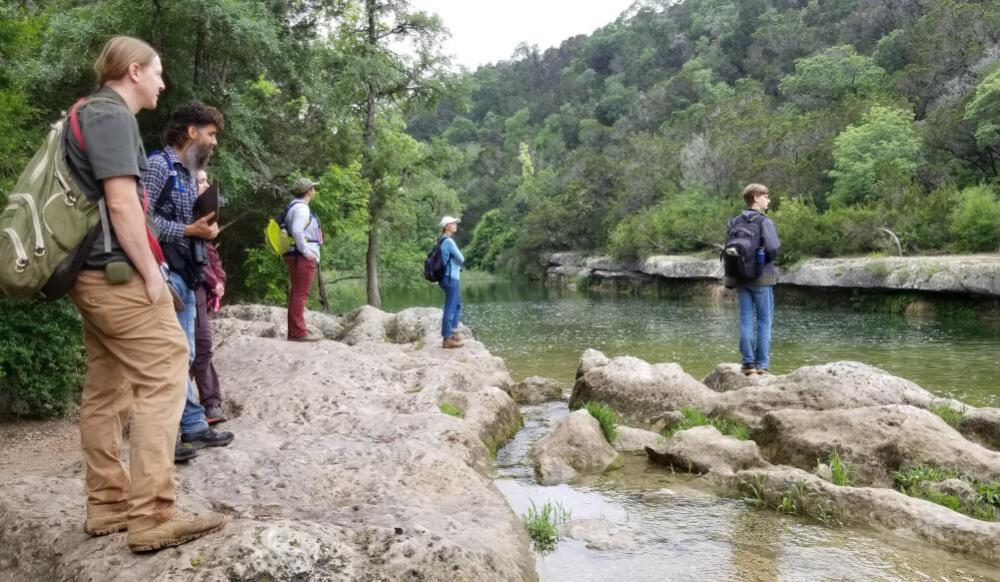
You might also consider getting involved in volunteer habitat restoration. During the second portion of my A Rocha internship, I spent many days girdling invasive glossy privets in the Stenis Tract of Austin, Texas. “Girdling” involves removing rings of bark and scrubbing the bare trunk with alcohol, which slowly kills the tree by cutting off the flow of nutrients from the leaves to the roots. It also involves a lot of squatting and wrestling through thickets.
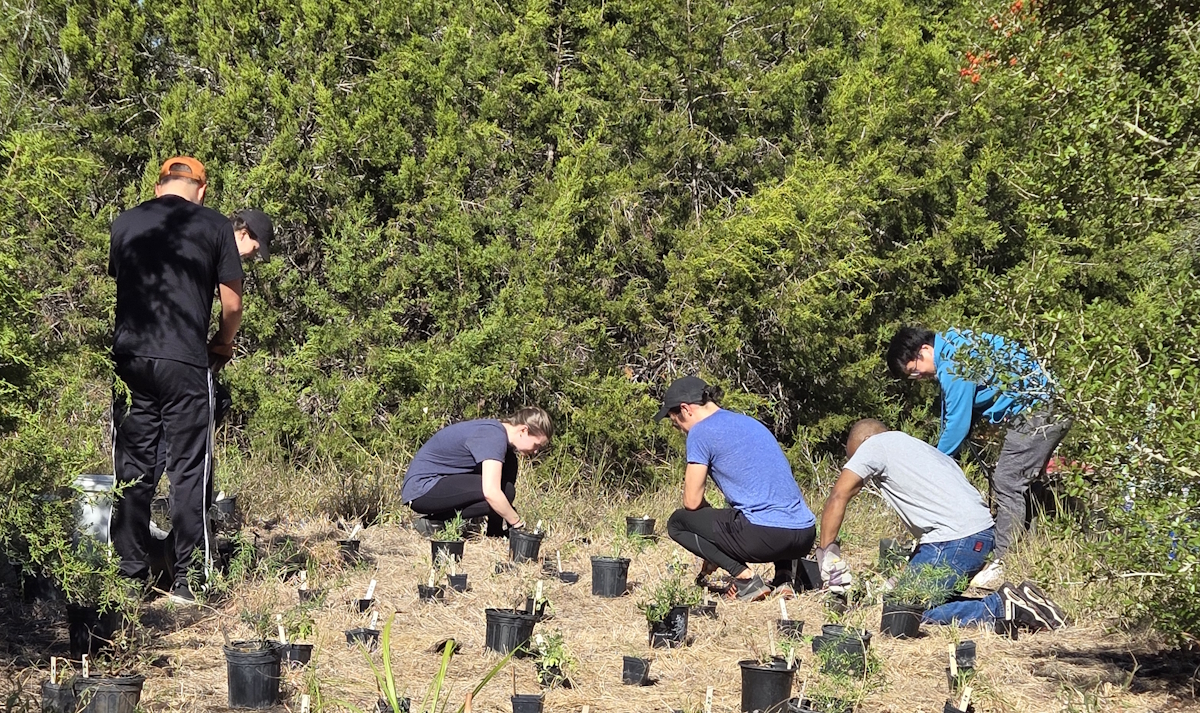
Invasive plant removal projects in your area may involve work with weed wrenches and hacksaws, or you may have the happier task of establishing new native plants. Either way, removing invasives and establishing native species is a vital means of increasing the biodiversity, stability, and overall health of an ecosystem.
Another exciting option to immerse yourself in the earthy, humbling work of creation care is to contribute ecological data through citizen science. This is much simpler than it sounds. Nature parks or reserves in your area may invite volunteers to gather data on certain plant or bird species with clipboards or specialized apps. In Florida, the other interns and I helped the Florida Horseshoe Crab Watch to tally up spawning horseshoes using the intuitive “Survey123” app. In Texas, we helped staff from the Balcones Canyonland Refuge fill data sheets with information about the endangered bracted twistflower.
This is often the way of citizen science: simple work, some hiking, and crucial data for creatures in need. It can even be as easy as downloading the iNaturalist app, strolling around your backyard, and photographing whatever plants, fungi, insects, or other creatures you find there. Professional scientists pull from this app’s data when conducting ecological research, so you could be contributing to groundbreaking scientific studies!
Taking Creation by the Hand
However we may practice it, it’s vital to find the courage to immerse ourselves fully in the beauty and sufferings of God’s creation, that we may love it well. This kind of immersion appears in Mark 5, when Jesus enters the grieving home of Jairus, takes the hand of his dead daughter, and tells her, “Little girl, get up” (Mark 5:38–42). Jesus doesn’t heal from a distance, from the safety of some star-strewn, ethereal realm; he plunges into our embodied realities of grief, sickness, and death, and takes us by the hand—with his own warm, creaturely hands—to restore us.
When we declare our love for God’s creation, let it not be from a distance. The way of love is to plunge into the lagoon, the garbage of polluted beaches, the thickets of glossy privets, and the wilderness of our own front lawns. Our own hands must sink into the broken earth, for in intimacy, there is the chance to heal.