2026 Laing Lectures
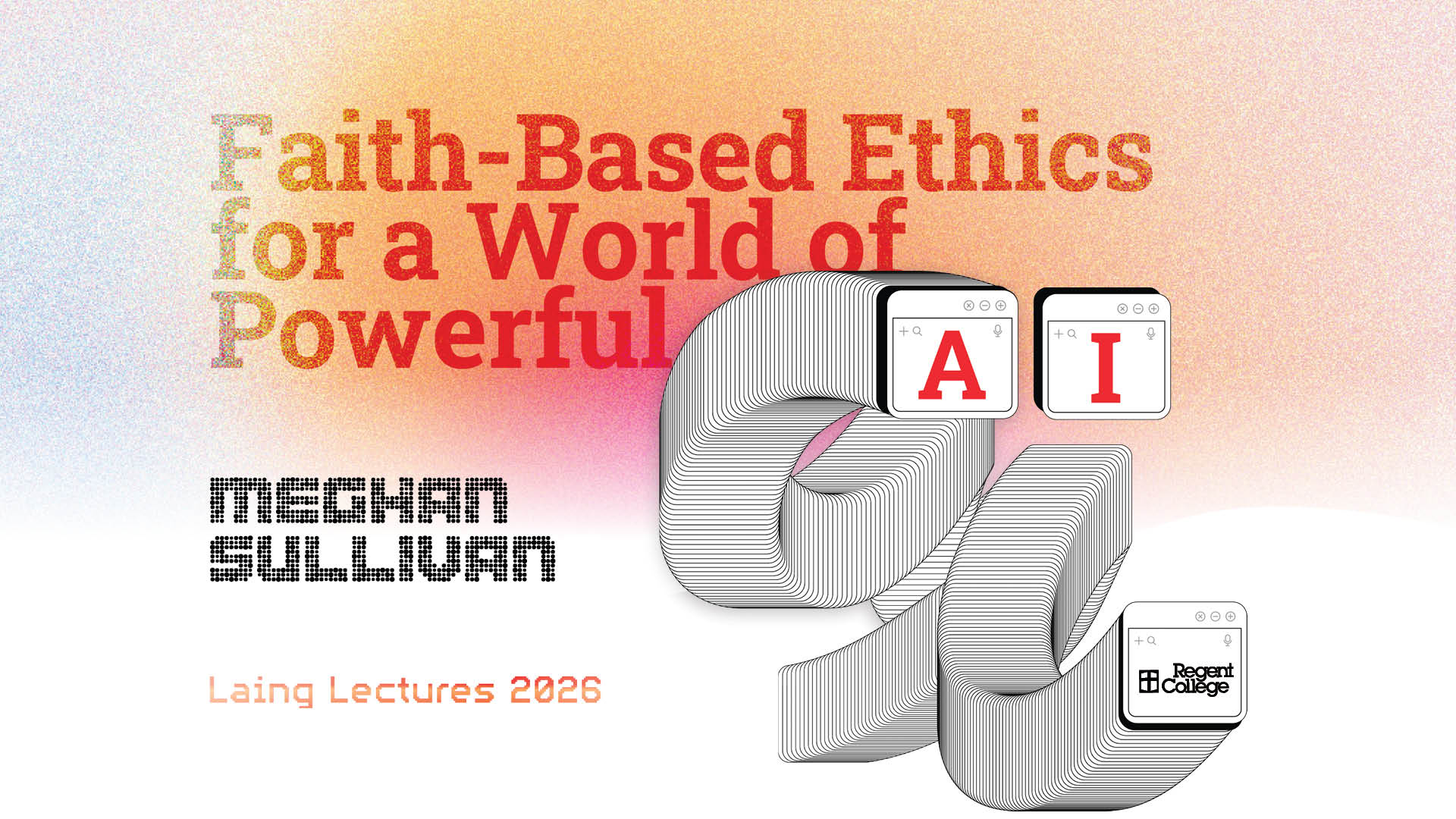
On March 23 and 24, join us in the Regent College Chapel or online for an exploration of faith, ethics, and the technological trajectories shaping our world.
Regent College is pleased to welcome philosopher Meghan Sullivan to this year’s Laing Lectures. Highly regarded for her philosophical explorations of time, happiness, faith, and meaning, Dr. Sullivan gives direction to scholarly initiatives centred on ethics and the common good.
In her first lecture, Dr. Sullivan will discuss the vital role of the Christian ethical imagination as the focus of the global economy shifts from digital search and advertisement to large models and agentic AI. Drawing on consultations with diverse Christian leaders, she’ll highlight five concepts from the Christian ethical tradition and their relevance to current debates around the development and deployment of powerful AI.
In her second lecture, Dr. Sullivan will narrow her focus to Christian teaching about the dignity of work. Developed in the shadow of the Industrial Revolution, this philosophical and theological project cries out for updating and renewal as AI rewrites global economies and social contracts. Finally, she’ll help us apply these theories to some concrete questions by looking at how the Christian ethical tradition can inform our use of AI in schools and workplaces.
Schedule of Events
Lecture 1: The DELTA Framework—Where Is the Christian Voice in AI Ethics?
Monday, March 23 • 7:30–9 pm • Regent College Chapel or rgnt.net/live
Lecture 2: The Dignity of Work and the Dignity of Learning
Tuesday, March 24 • 7:30–9 pm • Regent College Chapel or rgnt.net/live
Lunchtime Q&A (Onsite Only)
Wednesday, March 25 • 12:15–1 pm • Room 100
Getting Here and Parking
Due to construction taking place on a neighbouring lot, there are some sidewalk closures near the building and the College’s south entrances are currently closed. To enter, please use one of the entrances on the north side of the building, closer to the wind tower.
Regent no longer has its own parking lot, but there are a variety of nearby options. There is an underground lot beneath the University Marketplace complex just east of Regent. UBC Parking operates two paid parking lots within a 5-minute walk—the Health Sciences Parkade at the UBC Hospital, and the North Parkade behind the War Memorial Gym. Find information and directions on the UBC parking map.
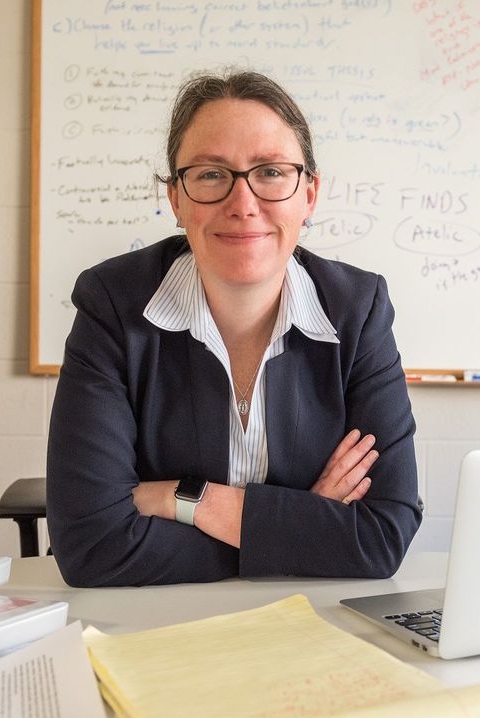
Meghan Sullivan
Dr. Meghan Sullivan is the Wilsey Family College Professor of Philosophy at the University of Notre Dame. She serves as Director of the University-wide Ethics Initiative and is the founding director of Notre Dame’s Institute for Ethics and the Common Good. She is deeply interested in the ways philosophy contributes to the good life and the best methods for promoting philosophical thought.
-

- Resources
- Events
- Event List
- 2026-03-24 Laing Lectures with Dr. Meghan Sullivan
-
- Resources
- Events
- Event List
- 2026-03-24 Laing Lectures with Dr. Meghan Sullivan