Who Are We? Philosophical Frameworks for Theological Anthropology (Seminar)

Course Description
Why should one attend a seminar on theological anthropology? Because the questions of who we are and what are we here for, these most ancient of human questions about our identity and purpose lie at the heart of the cultural conflicts we currently experience. The way in which a society answers these questions or refuses to answer them reveals a people’s cultural ethos. Western culture as a whole seems to have lost the ability to answer these questions of identity and purpose. This identity crisis extends from the most basic sense of who we are as human beings to the purpose of our cultural institutions, from a definition of humanity as such to the social values that our schools and courts are to implement. In his book On the Human Condition, the French philosopher Dominique Janicaud argues, for example, that in the absence of traditional religious definitions of our humanity and with increasing bio-technical advances in human engineering, Western culture is currently marked by an “unprecedented uncertainty about human identity.” Honesty requires us to admit that our unmooring from religious sources of human dignity is largely to blame for this problem and that science, for all its innovative genius, is of little help in addressing it.
This seminar is designed to establish the theological groundwork for helping Christians respond with humble confidence to this cultural challenge. The course is conceived as a critical conversation on anthropology in light of the early church’s biblical, Christological understanding of the imago dei. The introductory text Theological Anthopology: A Guide for the Perplexed by Marc Cortex will serve to frame our discussions. Structured as three modules (human being, human becoming, and human ending), the course will explore the embodied, relational/communal, and ensouled existence of human beings in conversation with Catholic, Protestant, and Orthodox theological traditions, with philosophy, and with scientific, evolutionary conceptions of human life.
Topics that might be explored during the course of the readings, presentations, and discussions include the a survey of attitudes toward the body throughout history (e.g. the mind/soul-body) problem, the “gendered” body, the disciplined body, the sanctification of the body, the suffering and healing of the body, death and dying, eschatological existence, and current issues regarding the body encountered in and by the modern sciences (i.e., cloning, genetics/genomics, termination, transhumanism etc.).
This course has a maximum enrollment of 12 students.
To get into a priority enrollment course, you must register by the early registration deadline (see Important Dates) and must submit a Priority Enrollment Course Request (available through the "Additional Registration Requests" section of the Registration menu in REGIS or download it directly here) after completing your registration. Class lists will be determined within a week after the early registration deadline, and you will be notified by email shortly thereafter. First priority will be given to students who need a course for the program to which they have been admitted, and who have registered by the early registration deadline.
| Offered | 2026 Fall |
| Dates | Sep 9 - Dec 8 |
| Days | Wed, 02:30PM - 05:30PM |
| Format | Onsite Only |
| Credit Hours | 3 |
| Audit Hours | Not for audit |
| Room Number | Rm 011 |
Teaching Faculty
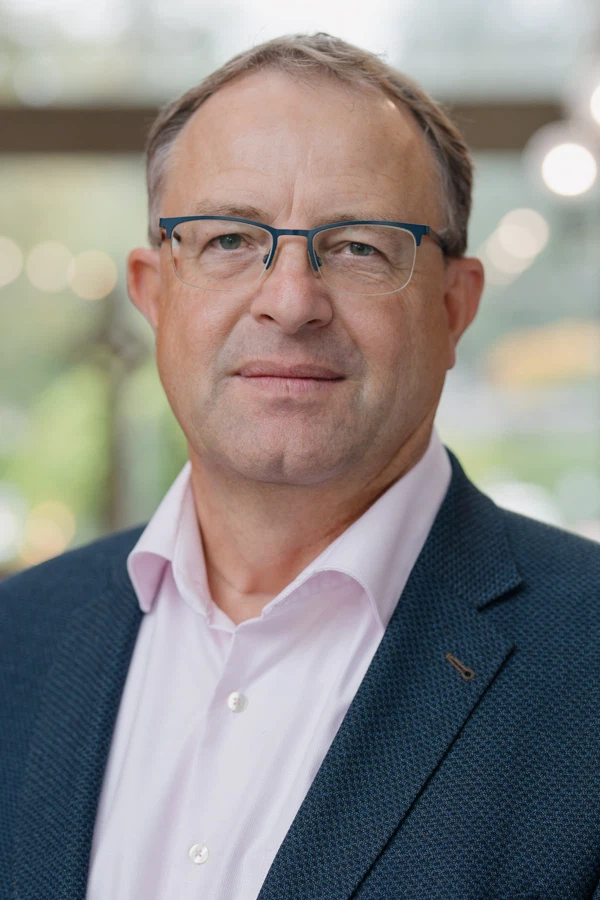
Jens Zimmermann
J.I. Packer Professor of Theology
Dr. Jens Zimmermann holds PhDs in Comparative Literature and Philosophy. Prior to joining Regent's faculty, he served as the Canada Research Chair of Interpretation, Religion, and Culture at Trinity Western University. He is currently a Visiting Fellow at the Center for Theology and Modern European Thought at the University of Oxford.
-

- Courses
- Course List
- INDS/THEO 724
-
- Courses
- Course List
- INDS/THEO 724