Book Launch with Quentin Genuis | Recovering People: Addiction, Personhood, and the Life of the Church
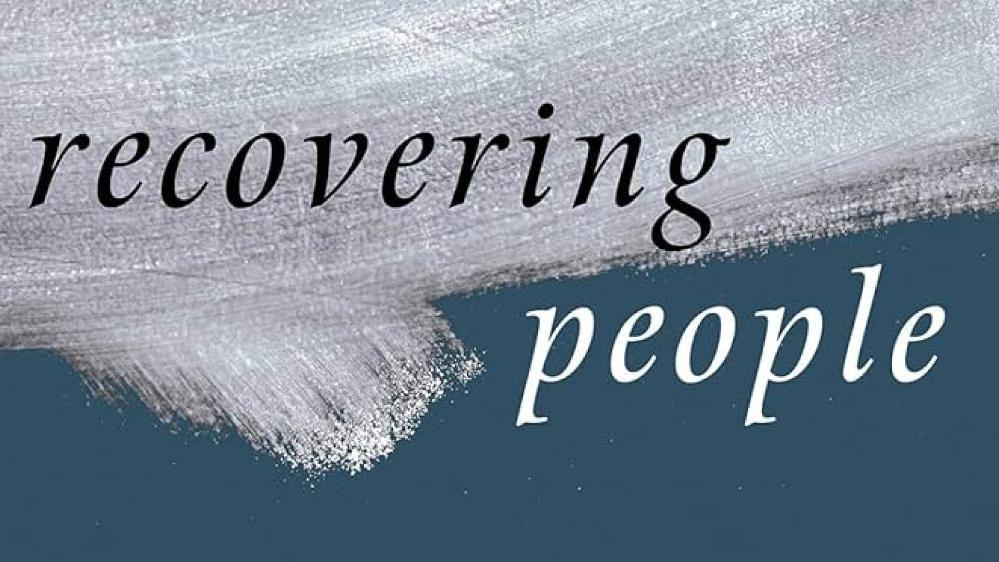
Please join us on Tuesday, February 10, 7–8:30 pm, for the launch of Dr. Quentin Genuis's new book, Recovering People: Addiction, Personhood, and the Life of the Church. The evening will include a lecture, Q&A, light refreshments, and a book signing. Copies of the book will be available for purchase at the Regent Bookstore.
Location: Regent College Chapel
Parking: Regent College no longer has its own parking lot. Paid parking options are available nearby with metered parking on Western Parkway, among other locations, and covered pay parking at the Thunderbird Parkade. See parking.ubc.ca for more info.
About the Speaker
Dr. Quentin Genuis is an emergency physician at St. Paul’s Hospital in Vancouver, Canada. He serves as the physician ethicist for Providence Health Care, where he is involved in ethics consultations, education, and research. He holds a master’s degree from the School of Divinity at the University of St. Andrews in Scotland. He is a sessional faculty member and the professional-in-residence at Regent College, where he teaches on topics including medical ethics and addiction. He has published peer-reviewed articles in both science and bioethics fields, and is the author of Recovering People: Addiction, Personhood, and the Life of the Church.
Quentin loves teaching in a variety of academic, church, and clinical settings on topics including human freedom and agency, death and dying, theology of the body, virtue ethics, compassion, dignity, and care of persons with addictions. In his spare time, he loves growing dahlias and pole beans, reading fiction, and visiting the farmers’ market with his family.
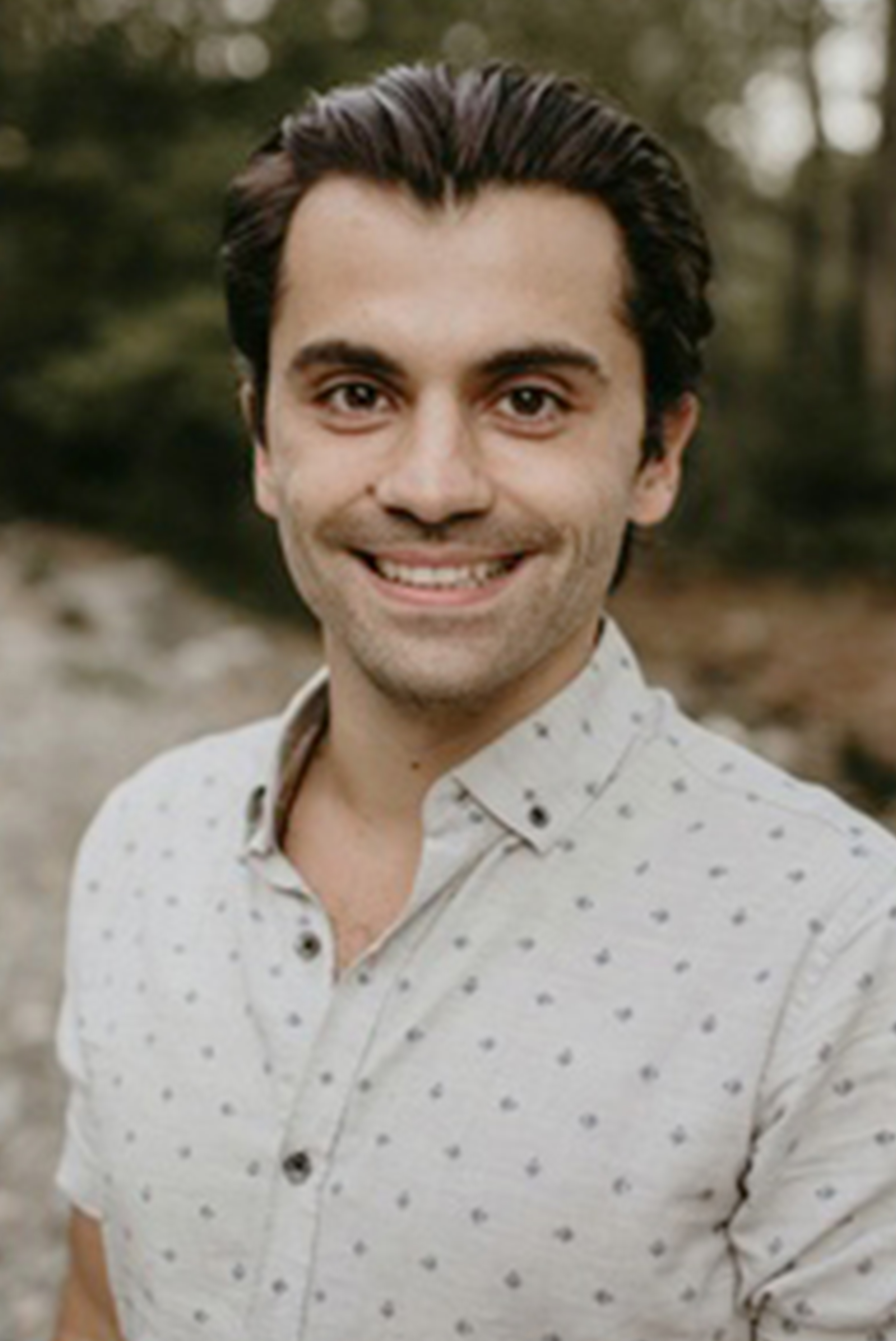
Quentin Genuis
Professional-in-Residence; Emergency Physician (St. Paul's Hospital) & Physician Ethicist (Providence Health Care)
Dr. Quentin Genuis is an Emergency Physician at St. Paul’s Hospital in Vancouver and the Physician Ethicist for Providence Health Care. He teaches in academic, clinical, professional, and lay settings on issues related to bioethics, compassion, addiction, and theological anthropology.
-

- Resources
- Events
- Event List
- 2026-02-10 Quentin Genuis Book Launch
-
- Resources
- Events
- Event List
- 2026-02-10 Quentin Genuis Book Launch